 Skip to content

A Minnesota winter will find the weak spots in a house. Sometimes that means a pipe in an outside wall that splits during a week of subzero nights. Sometimes it means a ridge of ice on the roof edge that sends meltwater back under the shingles and into your ceiling.
Both are common claims every winter. Both are also easy to get wrong when it comes to insurance. At Zach Burke Insurance Agency, we help homeowners in Rosemount, Oakdale, and the Twin Cities understand what their policy covers before the cold sets in, so a bad morning does not turn into a denied claim.
Key takeaways
- Most Minnesota homeowners policies cover sudden water damage from a frozen or burst pipe.
- Damage caused by neglect, like leaving a vacant home unheated, can be excluded.
- Interior damage from an ice dam is usually covered. Removing the ice itself often is not.
- A few hours of prevention in the fall heads off most of these claims.
Does homeowners insurance cover frozen pipes in Minnesota?
In most cases, yes. A standard homeowners policy generally covers sudden and accidental water damage when a pipe freezes and bursts. That includes soaked drywall, ruined flooring, wet insulation, and damaged furniture or belongings. Your dwelling coverage handles the structure, and your personal property coverage handles your stuff, subject to your deductible.
The key word is sudden. Insurers draw a hard line between a pipe that bursts during a cold snap and damage that builds up because nobody took reasonable care.
When a frozen pipe claim can be denied
- The home was vacant and the heat was turned off or allowed to drop too low.
- The water was not shut off and the lines were not drained during a long absence.
- The leak was slow and went on for weeks or months before anyone noticed.
- A known furnace problem was ignored until the pipes froze.
Many policies spell out what you need to do if you leave the home for an extended stretch in winter. If you head south for a few weeks, read that section, or call us and we will go over it with you.
Which pipes are most at risk?
Pipes in unheated or poorly insulated spaces freeze first. In Minnesota homes that usually means:
- Exterior walls, especially on the north side of the house
- Unfinished basements and crawl spaces
- Attached garages
- Kitchen and bathroom sinks on outside walls
- Outdoor spigots and the lines feeding them
How do ice dams affect a homeowners insurance claim?
An ice dam forms when heat escaping through the attic melts snow on the upper roof. That water runs down to the colder eaves and refreezes. After a few freeze and thaw cycles you get a thick ridge of ice along the edge, and the next round of meltwater has nowhere to go. It backs up under the shingles and leaks into the attic, walls, and ceilings.
Here is how coverage usually breaks down:
- Interior water damage, like stained ceilings, wet insulation, and damaged drywall, is usually covered as sudden and accidental damage.
- Removing the ice dam often is not covered. Many policies treat the labor to steam or chip ice off the roof as maintenance.
- Roof damage depends on your policy and the condition of the roof. An older roof with existing wear can complicate things.
Keep these categories separate in your head. Homeowners sometimes assume that if one part is not covered, none of it is, and they never file for the interior damage they are owed.
What to do when you find ice dam or burst pipe damage
1. Stop the water. For a pipe, shut off the main water valve. For an ice dam, call a roofing contractor to relieve the backup.
2. Take photos and video of everything before you clean up, including ceilings, walls, floors, and damaged belongings.
3. Make reasonable temporary repairs to prevent more damage, and keep every receipt.
4. Report the claim as soon as you can. Late reporting is one of the easier ways to create problems.
5. Get written repair estimates for drywall, insulation, flooring, and painting.
If an adjuster pushes back, our guide to resolving common insurance claim issues in Minnesota covers your options. And if you are not sure whether something is worth filing, call your agent first. We can talk through your deductible and your policy wording before you spend money on removal or repairs.
How to prevent frozen pipes and ice dams
Most of this is cheap, and most of it can be done in an afternoon.
Keeping pipes from freezing
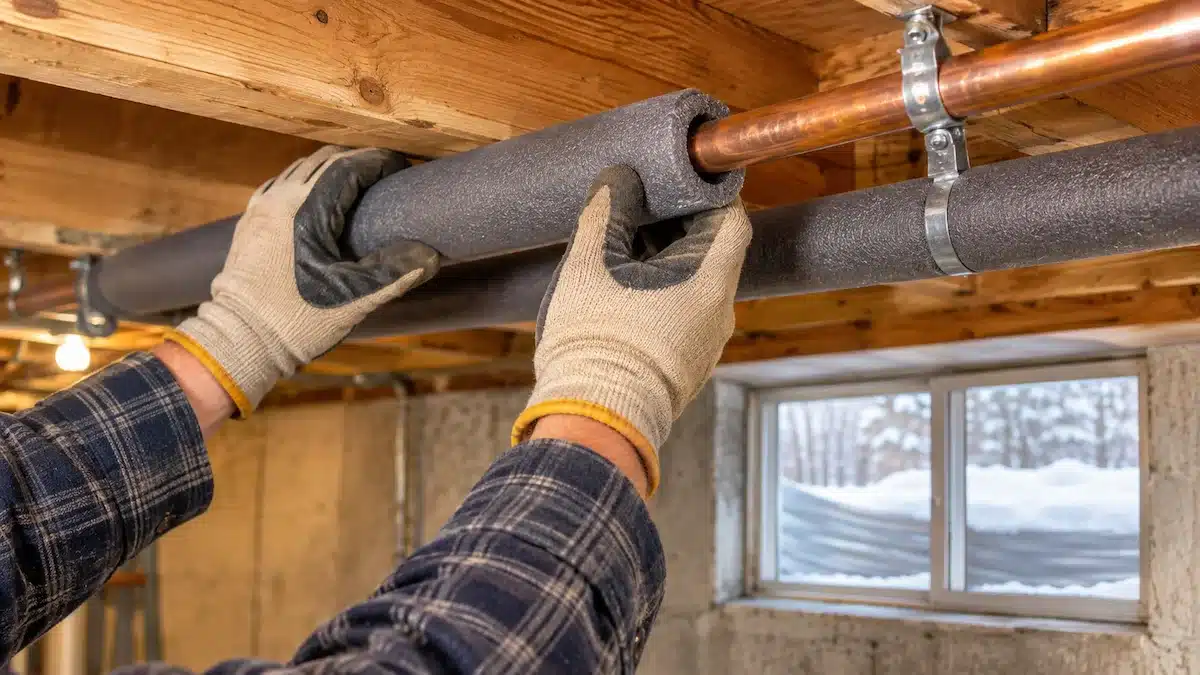
- Wrap exposed pipes in basements, crawl spaces, and garages with foam pipe insulation.
- Seal gaps around rim joists, dryer vents, and anywhere cold air leaks in near plumbing.
- Disconnect garden hoses and shut off and drain outdoor spigots before the first hard freeze.
- On the coldest nights, open cabinet doors under sinks on outside walls and let a faucet drip.
- Keep the thermostat steady, even when you are away. Many plumbers suggest not going below the mid 50s.
- If you travel in winter, have someone check the house, or shut off and drain the water.
Stopping ice dams before they start
The real fix for ice dams happens in the attic. A cold roof does not melt snow unevenly, so ice cannot build up at the edge.
- Add attic insulation and seal air leaks from the living space below.
- Make sure soffit and roof vents are clear so the attic stays close to outside temperature.
- Clean gutters in the fall so meltwater can drain.
- After a heavy snowfall, use a roof rake from the ground to pull snow off the lower few feet of the roof.
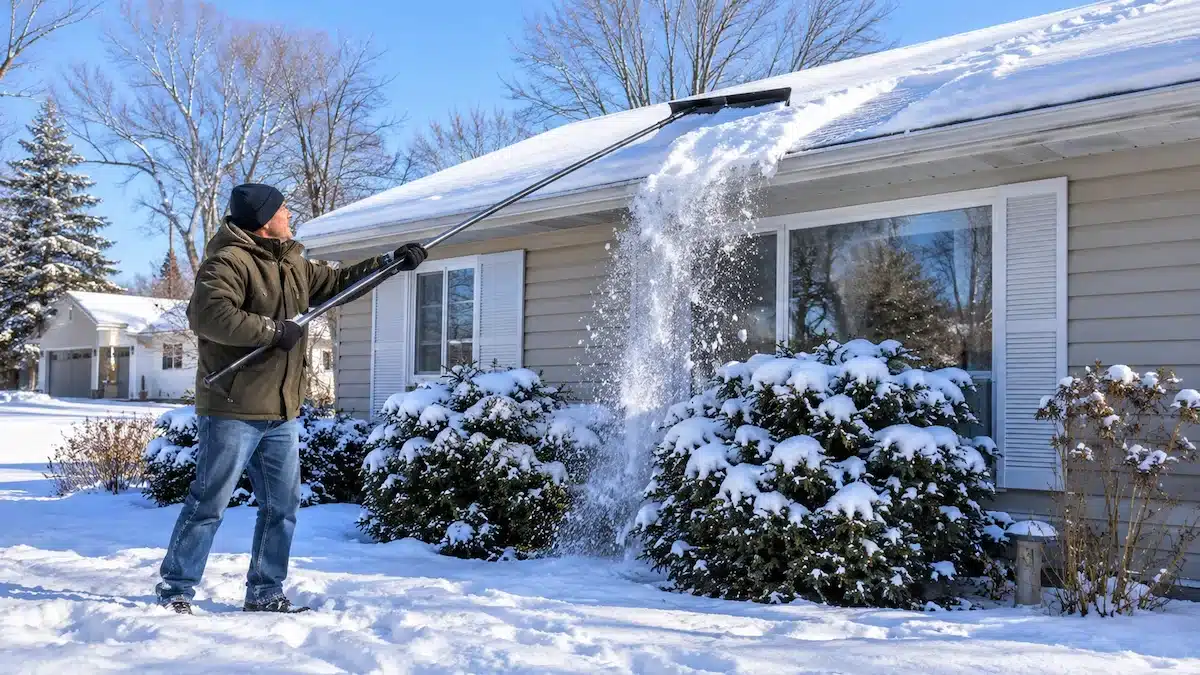
Do not climb onto an icy roof to chip at a dam. It is dangerous, and hacking at ice can damage shingles and create a new problem.
Common questions about winter home insurance in Minnesota
Does homeowners insurance cover a burst pipe if I was home?
Generally yes, as long as the damage was sudden and you took reasonable care to keep the home heated. Your deductible applies.
Will my policy pay to remove an ice dam?
Often not. Many policies cover the interior water damage an ice dam causes, but treat removal as maintenance. Check your policy wording or ask your agent before you hire someone.
Is water damage from a slow leak covered?
Usually not. A leak that drips for weeks and causes rot or mold is often treated as a maintenance issue rather than sudden damage.
Should I file a claim for small water damage?
It depends on the size of the repair compared with your deductible, and on your claims history. Talk to your agent first so you can make that call with the numbers in front of you.
Get ready before the next cold snap
Frozen pipes and ice dams are part of owning a home in Minnesota, but most of the expensive outcomes are avoidable. Insulate what is exposed, keep the heat steady, keep your attic cold, and know what your policy says before you need it.
Not sure how your homeowners insurance handles winter water damage? Call us at (651) 236-9221 for a quick policy review before the next deep freeze, or reach out through our contact page and we will get back to you. Homeowners near our Rosemount office are always welcome to stop in.
